Triumph Bonneville T100 Revisited: What Time Has Changed, and What It Hasn’t
There are motorcycles that arrive as machines, and others that arrive already carrying a memory.
The Triumph Bonneville T100 has always belonged to the second kind. Even when new, it seemed to come with a little age already built in: wire-spoke wheels, chrome details, a long bench seat, and that familiar British outline that looked as if it had been sketched once in the 1960s and simply protected from time.
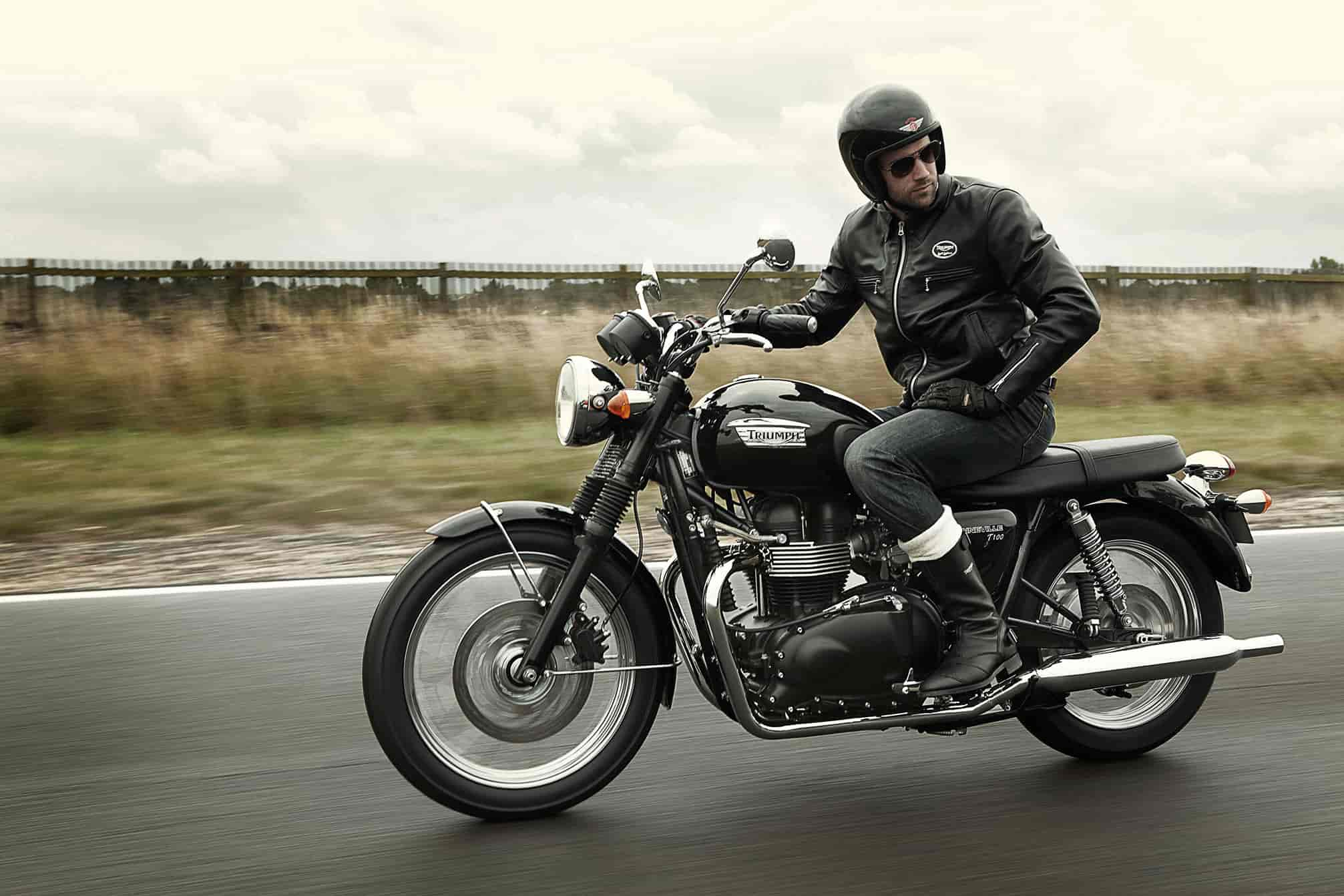
When we first looked at the Bonneville T100 in 2013, that was its great charm. It was not trying to be the sharpest Bonneville, or the fastest, or the most technologically advanced. It was the nostalgic one. The one with the spoked wheels. The one with the softer silhouette. The one that seemed to care less about lap times than about the way a motorcycle looked when parked outside a café with the engine ticking itself cool.
Back then, the T100 was still powered by Triumph’s 865cc air-cooled parallel twin, a motor that gave the bike its easy rhythm and mechanical honesty. Period specs list the 2013 T100 at around 66 horsepower and 68Nm of torque, with a five-speed gearbox and a traditional steel-cradle frame. It was modern enough to live with, thanks to fuel injection and disc brakes, but emotionally it still leaned hard into the past.
That was the point.
The T100 We Remember
The 2013 Bonneville T100 was a motorcycle you bought with your eyes first.
Compared with the mag-wheel Bonneville of the same era, the T100 felt more deliberately old-world. It had the chrome, the longer mudguards, the wire wheels, the flatter seat, and the more faithful vintage stance. On forums and in road-test conversations, riders often described it as slightly less flickable than the standard Bonneville, a little more upright in feel, and more committed to the classic look than to outright agility.
None of that made it less desirable.
In fact, it was often the reason people wanted it. The T100 was not selling a spec-sheet argument. It was selling recognition. It looked like the Bonneville someone’s father had owned, or the one pinned to a garage wall, or the one half-remembered from a film still.
It was approachable, simple, and honest. But it was also a bike of its time. The spoked wheels meant tubes. The seat could feel firm after a long stretch. The old air-cooled engine had charm, but not the broader, smoother spread of torque riders now expect from a modern middleweight classic.
It was beautiful, but it still asked you to accept a few compromises in exchange for the look.
The Bonneville, After Time Did Its Work
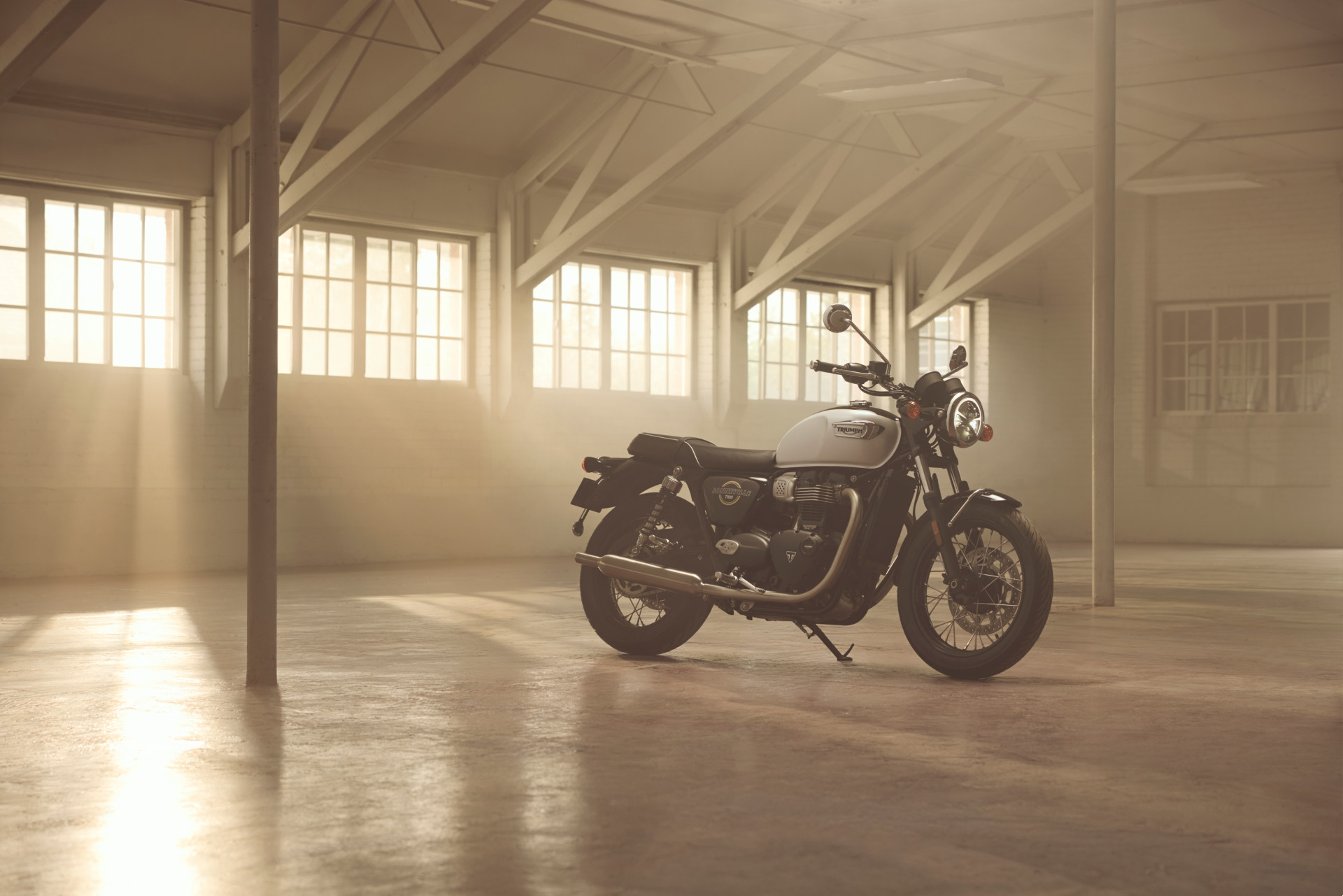
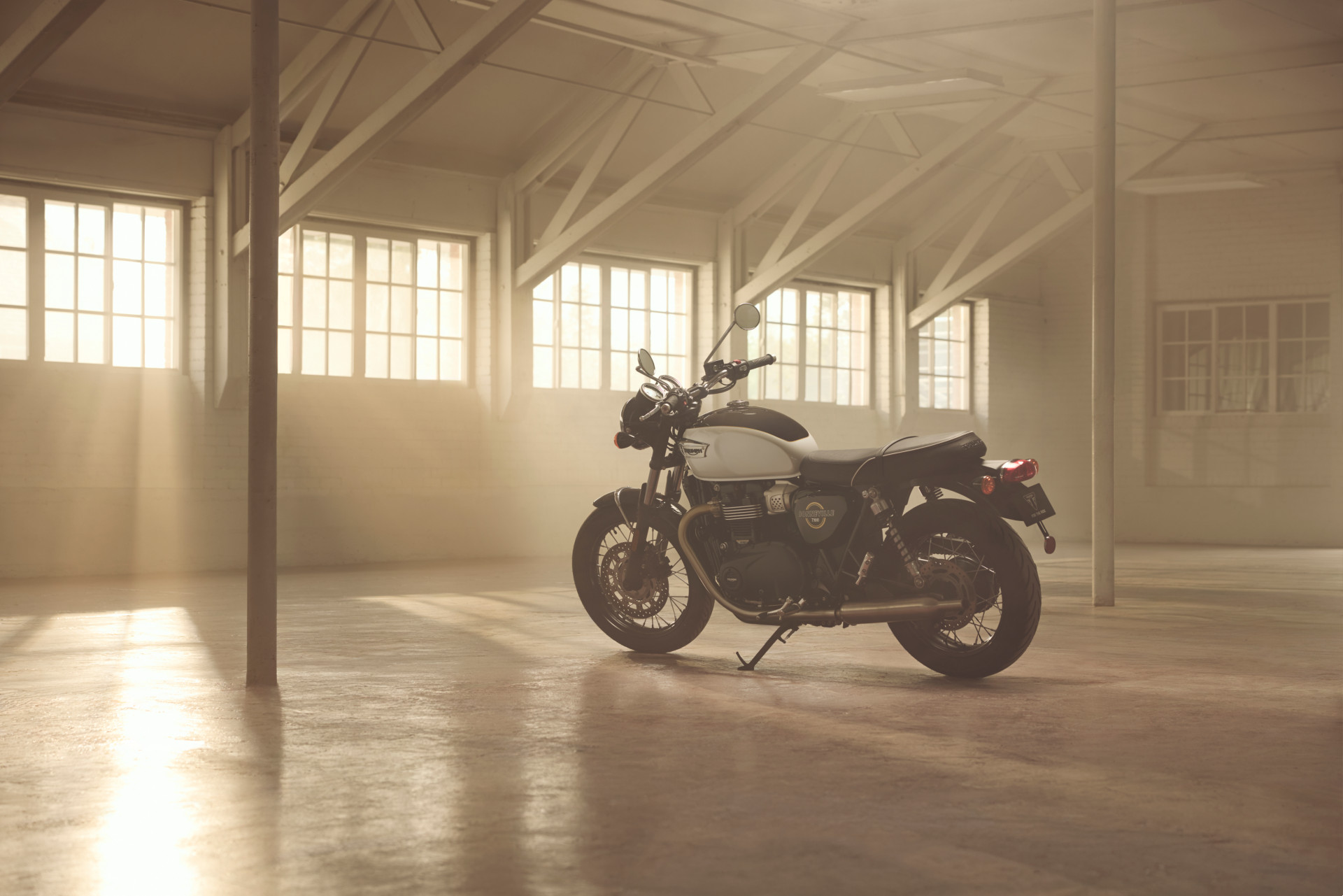
The modern T100 has not abandoned that original idea. It still looks like a Bonneville should. The tank still carries itself with quiet confidence. The wheels still speak the same visual language. The riding position is still upright, natural, and unthreatening.
But beneath the familiar shape, the motorcycle has changed substantially.
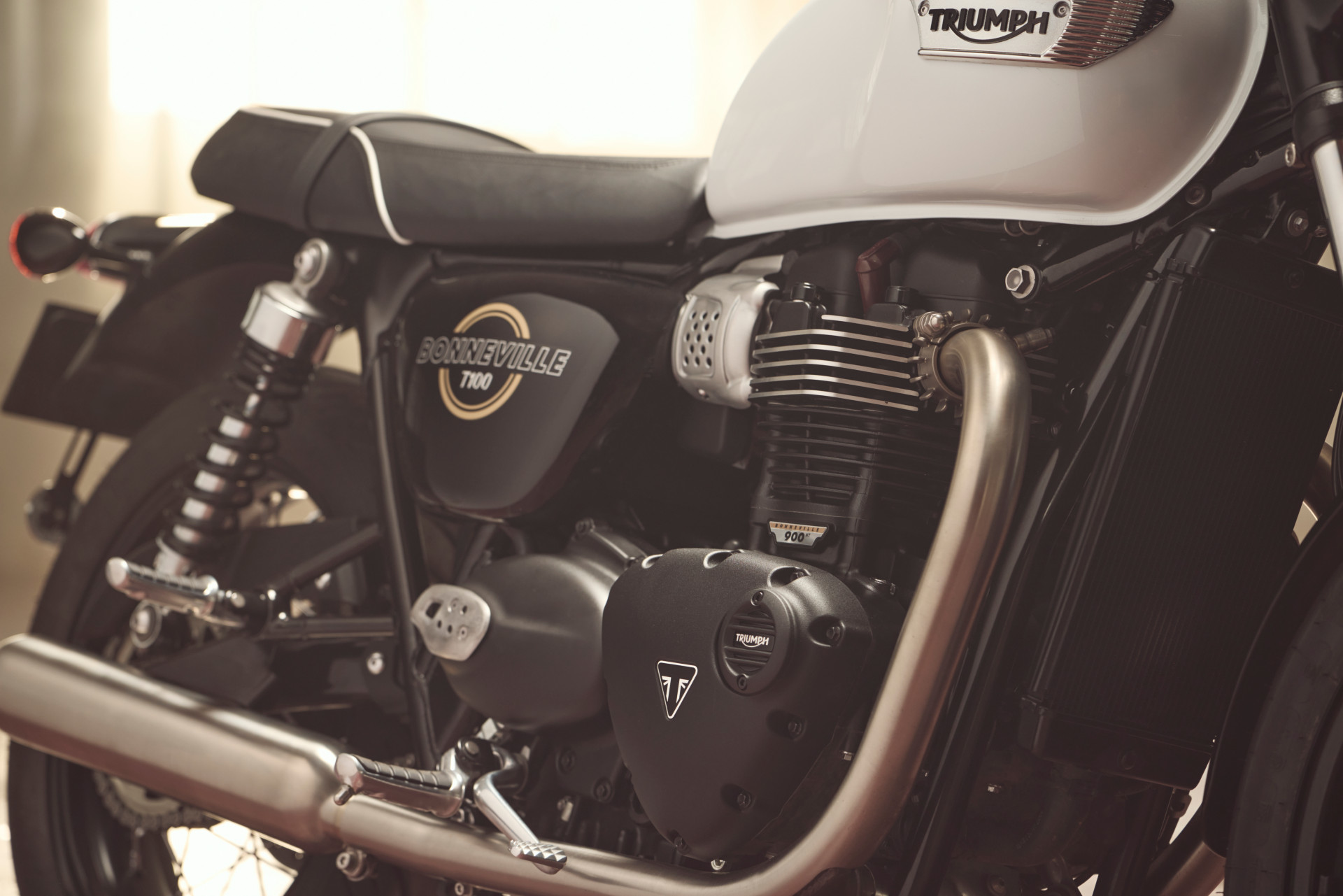
Today’s T100 uses Triumph’s 900cc liquid-cooled Bonneville twin, with a 270-degree firing order, 65PS / 64.1bhp at 7,000 rpm and 80Nm of torque at 3,750 rpm. Triumph describes it as “punchy, tractable and full of classic character,” which is marketing language, yes, but the numbers tell the same story: the modern bike is tuned less for top-end drama and more for useful, easy torque.
That matters on the road.
The old T100 had enough power, but the modern one has a broader kind of confidence. It pulls with less effort. It feels less like an old motorcycle made civilised, and more like a modern motorcycle wearing old clothes very well.
The hardware tells the same story. Triumph now lists the T100 with KYB cartridge forks, twin rear shocks with adjustable preload, Nissin braking, a slip-assist clutch, two riding modes, a USB-C charging port, and twin analogue instruments with LCD displays. It also keeps a low 790mm seat height and upright riding position, which helps preserve the approachable character that has always been central to the Bonneville family.
This is where the biggest change lives: not in one dramatic reinvention, but in all the small improvements that make the bike easier to live with.
What Changed Most
The engine is the obvious dividing line.
The 2013 T100’s air-cooled 865cc twin belonged to the last era of old Hinckley Bonnevilles. It had the visual correctness and the mechanical simplicity riders loved, but the modern 900cc liquid-cooled engine is smoother, cleaner, more flexible, and more efficient. It also gives the bike a different pulse, helped by the 270-degree crank that brings a deeper, more uneven character than the older 360-degree Bonneville rhythm.
Comfort has moved forward too. The modern T100 feels less like a faithful reproduction and more like a motorcycle designed for actual distance. The seat, suspension tuning, clutch action, and general refinement all make it more suitable for longer rides, Sunday loops, commuting, and those unplanned detours that turn a short ride into half a day.
Technology is another quiet transformation. The 2013 bike still had the pleasure of simplicity, but the newer T100 adds the things many riders now expect without making the motorcycle feel digital or fussy. ABS, traction control, riding modes, modern instrumentation, improved lighting and charging convenience all sit in the background. They do not dominate the experience. They simply make the old idea easier to trust.
The finish has also matured. Modern Triumph classics tend to feel more polished, more cohesive, more premium in the hand. The T100 still plays the nostalgia card, but now it does so with fewer rough edges.
Specification notes
2013 vs modern Triumph Bonneville T100
The shape has remained familiar, but underneath the Bonneville T100 has changed more than it first appears.
| Category | 2013 Bonneville T100 Air-cooled classic |
Modern Bonneville T100 900cc High Torque |
|---|---|---|
| Engine | ||
| Type | 865cc air-cooled parallel twin | 900cc liquid-cooled parallel twin |
| Power | Approx. 66 hp | Approx. 64.1 hp / 65PS |
| Torque | 68Nm / 50 lb-ft at higher revs | 80Nm / 59 lb-ft lower in the rev range |
| Cooling | Air-cooled | Liquid-cooled |
| Performance | ||
| Character | Smooth, simple, modest | Stronger low-end pull, more flexible delivery |
| Highway feel | Adequate and charming, but more old-school | More relaxed, tractable, and capable |
| Chassis | ||
| Wheels | Wire-spoke wheels, tube-type tyres | Wire-spoke wheels, modern classic fitment |
| Suspension | Conventional fork and twin rear shocks | Updated cartridge fork and twin rear shocks |
| Brakes | Disc brakes, period-appropriate feel | Improved braking hardware with ABS |
| Technology | ||
| Instrumentation | Classic analogue gauges | Analogue-style clocks with integrated LCD displays |
| Ride modes | None | Road and Rain |
| Electronics | Minimal | ABS, traction control, modern rider aids |
| Comfort | ||
| Seat | Flatter, firmer, traditionally styled | More cushioned and long-ride friendly |
| Ergonomics | Classic upright Bonneville posture | Relaxed, refined upright riding position |
| Overall | ||
| Identity | Pure nostalgia with modern usability | Heritage styling with real everyday capability |
| Best for | Riders wanting a time-capsule classic | Riders wanting classic looks with smoother modern performance |
Figures vary slightly by market and model year, but the broad shift is clear: the older T100 had slightly more quoted peak horsepower, while the modern 900cc bike delivers its stronger torque lower and more usefully.
What Hasn’t Changed
The important things remain.
The T100 is still not the Bonneville for riders who want the hardest acceleration or the sharpest cornering attitude. That is not its role. Triumph has the T120, Speed Twin and Thruxton lineage for riders who want more muscle or more sporting intent.
The T100 is the quieter proposition in Triumph’s modern classic family. Riders wanting more torque, more presence, and the fuller flagship Bonneville experience may naturally look toward the 2026 Triumph Bonneville T120, but the T100 keeps its own appeal by staying lighter, softer, and more approachable.
It is the Bonneville for riders who still care about the line of a tank, the glint of a spoke, the way a parallel twin settles into its rhythm beneath them. It is a bike for people who want the sensation of motorcycling to remain visible and tactile, not buried beneath bodywork or screens.
That was true in 2013.
It is still true now.
Final Thoughts
Looking back, the 2013 Triumph Bonneville T100 feels like a beautifully judged tribute: charming, simple, slightly compromised, and all the better for its sincerity.
The modern T100 is not a different character so much as a more complete version of the same one. It has more torque, better manners, stronger equipment, cleaner engineering, and a level of refinement the old bike could only hint at.
And yet, from across a car park, it still speaks the same language.
That may be the real achievement. Triumph has modernized the Bonneville T100 without sanding away the reason people cared about it in the first place. The 2013 bike was a postcard from the past. The modern T100 is what happens when that postcard is taken back out on the road.