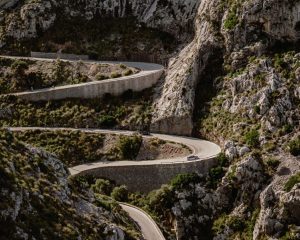
Twisties: Where the Real Fun Begins – Again and Again
Twisties are where the ride stops being routine and starts feeling alive. From that first lean you actually trust to the flow that keeps you chasing the next curve, here’s why winding roads hook riders — and how to make the most of every bend.
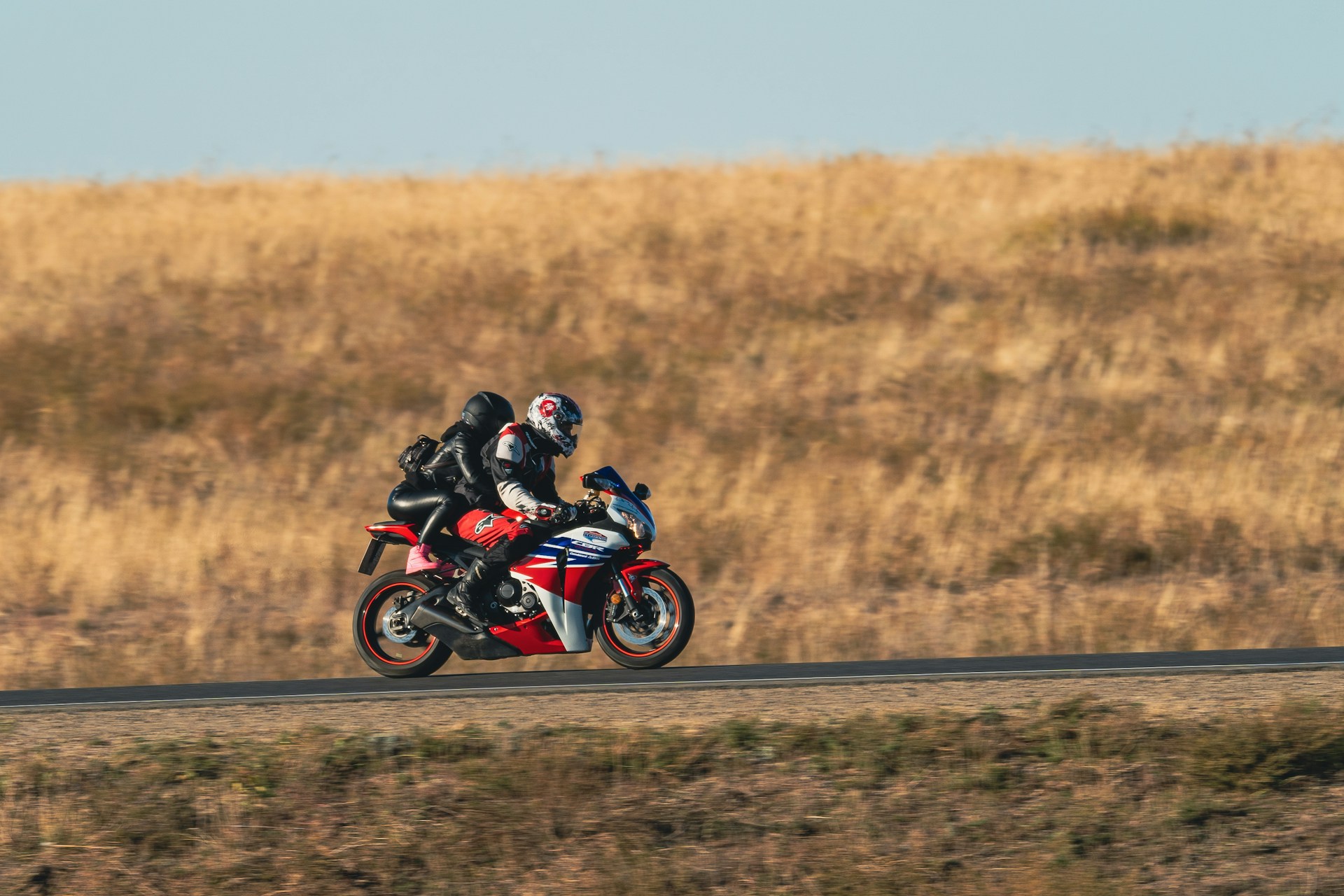
If you’ve been riding for any amount of time, you know that moment when the road starts to bend and suddenly the ride gets a whole lot more interesting. One minute you’re cruising, the next the asphalt is curling like it’s inviting you to come play. That’s the magic of twisties — the road basically saying, “Alright, let’s wake things up.”
For me, it’s never just the lean or the speed. It’s the whole shift in mood. The engine settles into that confident hum, the wind finds its rhythm, and your brain clicks into that focused-but-happy zone. Twisties are where riding stops being transportation and starts feeling like therapy.
Of course, they only feel good when you’re actually in control. I learned that early on after misreading a curve and ending up way closer to a ditch than I ever planned. No injuries, just a bruised ego — but it was a quick reminder that twisties don’t reward guessing. They reward timing, awareness, and a bit of humility.
But once those basics click? Twisties become the part of the ride you look forward to the most. If you want to dig deeper into technique, lines, and confidence, here’s the full feature: Why Riders Fall in Love With Twisties — And Why They Demand Respect.
Every curve has three phases, and once you understand them, twisties stop feeling like a surprise quiz and start feeling like choreography:
- Entry (O.M.O.) — Start wide. This is where you breathe, settle, and set up.
- Apex (O.I.O.) — The tightest point. You drop the bike in and let it carve. Blind curve? Stay O.M.O. and keep your options open.
- Exit (O.M.O.) — The bike naturally stands up as you roll on the throttle.
I once rode with someone who kept cutting into the inside way too early. Every corner looked like a panic attack waiting to happen. After we talked about Outside–Inside–Outside, he tried it once and said, “Oh. So THAT’S what everyone’s been talking about.”
The Approach: What You Do Before the Turn Matters Most
People think twisties are all about leaning. Nope. They’re about what you do before the lean.
- Slow down early — Enter slow, exit fast.
- Look through the curve — Your bike goes where your eyes go.
- Lean smoothly — No sudden movements.
- Keep the throttle steady — Stability is your friend.
- Roll on gently at the exit — The bike stands up naturally.
Here’s a sharper, punchier version — same idea, but with more snap and attitude:
A rider can get so wrapped up in “looking smooth” that they forget the one rule that actually matters: look through the turn. The moment your eyes drift toward trouble, the bike follows. Gravel, a curb, whatever — it doesn’t care. The bike obeys, so give it better commands.
The Skills That Make Twisties Addictive
If you’ve never spent a quiet Sunday morning practicing in an empty parking lot, trust me — it’s worth it. It’s not glamorous, but it builds the confidence that later becomes flow on the road.
Braking
Smooth braking is everything. Grabbing the brakes mid‑corner is basically asking the bike to file a complaint.
Grabbing a fistful of brake in a turn will almost always make the bike stand up like it’s offended. If you’re an experienced rider you might stay upright, but you’ll definitely invent a new swear word.
Lean
Leaning isn’t about forcing the bike over. It’s about trusting the process.
My first real “trust the lean” moment came on a mellow left-hander. I stopped tensing up, let the bike settle into the turn, and for a second the motorcycle felt less like something I was holding onto and more like something carrying me — almost like flying.
Counter‑Steering
Push right, go right. Push left, go left. It feels weird until it feels natural — and then it feels like telepathy.
Putting It All Together on Real Roads
There’s no official ceremony where someone hands you a certificate saying, “Congrats, you’re ready for twisties.” Your first real run might feel incredible, or it might humble you. Both are normal.
A few things help:
- Plan your route
- Wear proper gear
- Check your bike
- Stay focused
- Use good body position
- Brake before the turn
- Look where you want to go
- Stay smooth
- Ride your own pace
- Practice
One of the best lessons I ever got was from a rider who wasn’t fast at all — but he was smooth. Every line was clean, every movement calm. At a stop he said, “Fast is optional. Smooth is forever.” I think about that a lot.
Quick Takeaways
Twisties are one of the best parts of riding. They’re scenic, challenging, and incredibly satisfying when everything clicks. But the joy only comes when you respect the road and your limits.
Remember:
- Plan your route
- Check your bike
- Slow before the turn
- Counter‑steer, look, lean
- Keep speed steady
- Roll on gently at the exit
- O.I.O. for normal curves
- O.M.O. for blind curves
- Ride within your limits
- Enjoy the ride
And Now… the Slightly More Honest Version.
Let’s be real: twisties are incredible, but they also love exposing your confidence. That first corner of the day always feels like the road is giving you a quick reality check, just to see if you still remember what you’re doing.
Your visor will fog up at the worst possible moment, like it’s trying to add drama. And the one corner you absolutely nail — the smooth lean, the perfect line — nobody sees it. But the one you mess up? The awkward wobble? Somehow the whole universe catches that one.
And yes, you’ll end up talking to your bike. Encouraging it, apologizing to it, maybe even patting the tank like it’s a loyal pet. Totally normal.
That’s the charm, though. Twisties keep you humble, keep you sharp, and keep you coming back for “just one more” even when you know you should probably call it a day.