When the Rain Begins: Why the First Minutes Are the Most Dangerous on a Motorcycle
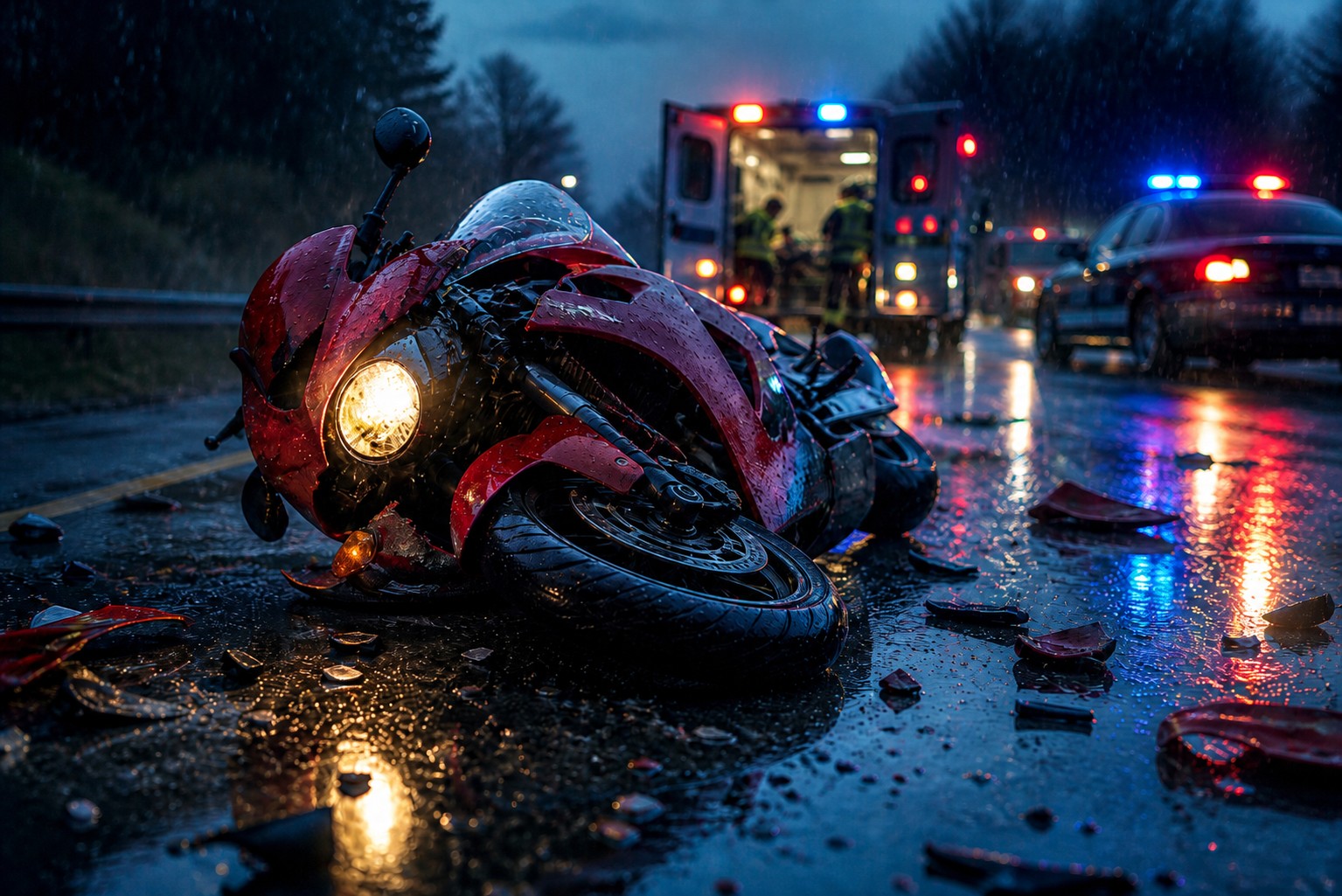
When the Rain Begins
The road doesn’t change all at once.
The first drops don’t soak it—they disturb it. A thin sheen forms, almost invisible, and the surface begins to move in a way it didn’t a minute before. Not water, not quite oil—something unsettled.
You feel it before you see it.
A familiar corner tightens slightly. The front doesn’t slip—it hesitates. Just enough to register.
This is where it gets dangerous.
What the rain actually does
Dry roads aren’t clean.
They collect everything—engine oil, fuel residue, rubber dust, brake particles. It settles into the surface, unnoticed, building over time.
Then the rain arrives.
The National Weather Service puts it plainly: after a long dry stretch, oil and debris collect on the road. When the rain begins, the surface can turn slick before it ever looks properly wet.
That first phase matters.
Instead of washing the road clean, the initial rainfall creates a thin, unstable film—a mix of water and residue that reduces friction before it begins to clear.
What the numbers show
Rain doesn’t just change the road—it changes outcomes.
Data from the Federal Highway Administration shows that:
- 75% of weather-related crashes occur on wet pavement
- nearly half happen during active rainfall
More focused studies go further.
Research analysing crash data and weather patterns found that the risk of a fatal accident increases by roughly 30–35% during rainfall, even in relatively light conditions.
More importantly for riders:
Studies also show that risk is higher after extended dry periods, when oil and debris have had time to accumulate on the surface.
That’s the moment most riders recognise—the beginning.
What it feels like on the bike
It isn’t dramatic.
Braking stretches slightly.
Throttle lingers longer than expected.
Painted lines start to feel like a different material.
You don’t lose grip all at once.
You lose trust in what the surface is going to do next.
How you ride through it
You don’t fight it. You step back from it.
- Roll off earlier.
Not because you must—but because the road hasn’t revealed itself yet. - Stay off the centre strip.
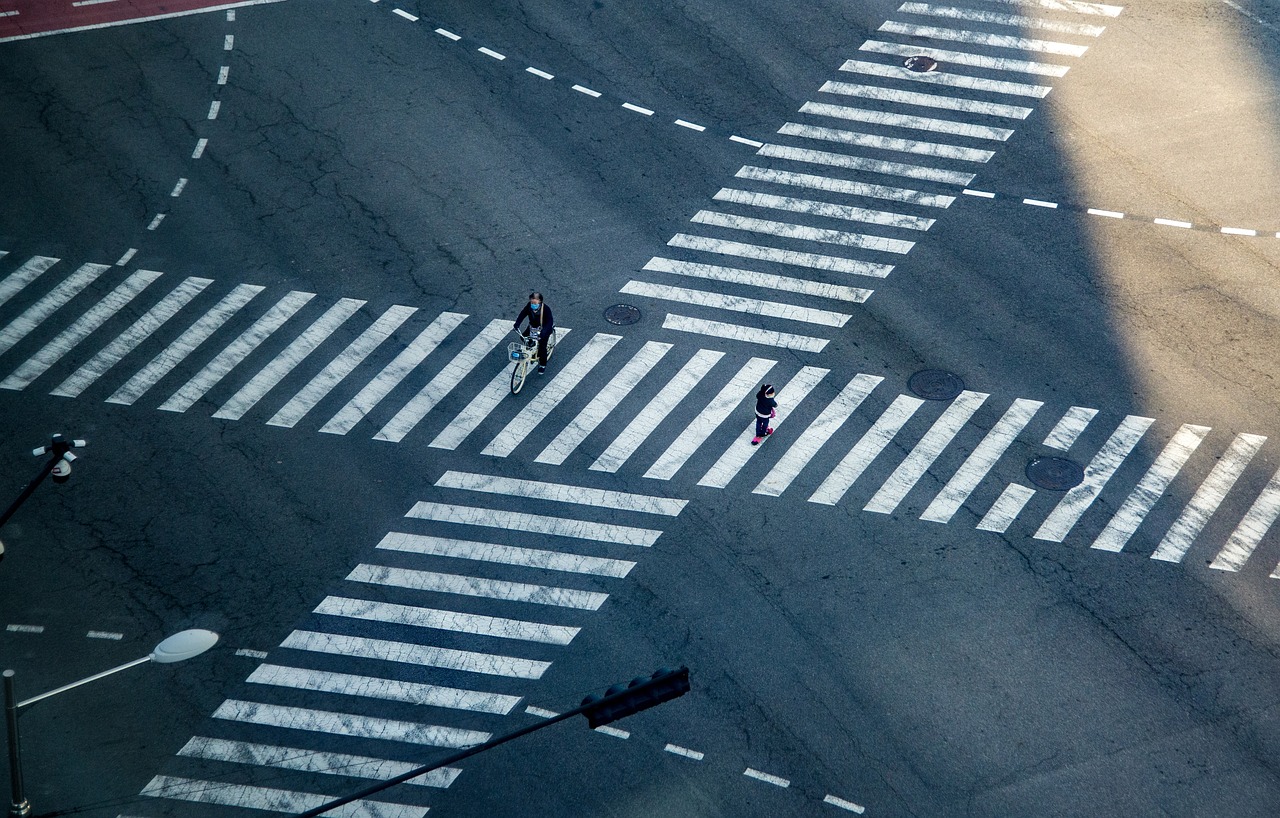
That’s where oil sits longest. In early rain, it’s the last place to stabilise. - Avoid anything that reflects.
Paint, metal covers, fuel patches—they change first. - Smooth your inputs.
One gear higher, less abrupt throttle, less engine braking. - Give it time. Slow it down.
That’s the part most riders ignore—and the one that matters most.
Because this phase passes.
The rule riders don’t forget
No one phrases it the same way, but the idea is consistent: the first minutes are the worst.
Not because of the rain itself—
but because the road hasn’t decided what it is yet.
Before It Settles
You remember the first time the road changes beneath you.
Not enough to throw you off line, just enough to make the bars feel lighter and the corner feel less familiar.
Experienced riders do not rush that moment. They give it space.
They wait for the road to settle.