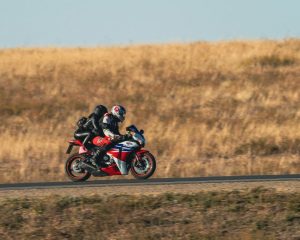
Why Riders Fall in Love With Twisties — And Why They Demand Respect
Every rider remembers the first road that made the bike feel alive beneath them. Twisties do that — but they reward patience and control far more than nerve.
Originally published February 15, 2023. Updated and revised May 6, 2026, for VivaMoto.
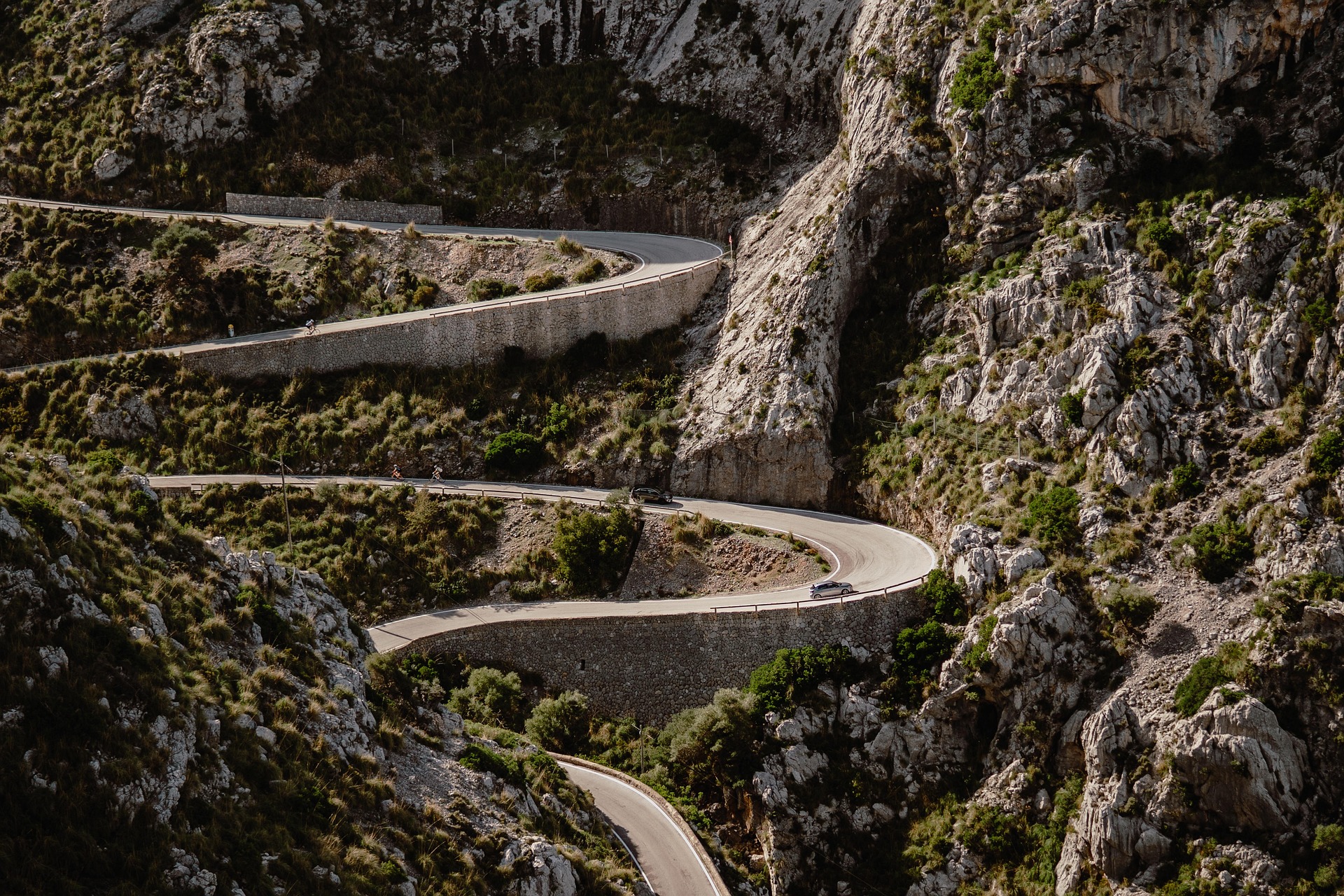
The Short Line
- Slow happens before the bend: The best corners begin early, with speed chosen before the motorcycle is leaned over.
- Your eyes shape the line: Looking through the curve gives the bike direction, rhythm, and room to finish the turn cleanly.
- Smooth beats dramatic: Quiet hands, steady throttle, and progressive braking matter more than lean angle or bravado.
- Respect keeps the pleasure alive: Twisties reward patience, skill, and judgement far more than speed alone.
If you’ve been riding long enough, you know the feeling: you’re rolling along, the road begins to bend, and suddenly your whole body wakes up.
Twisties do that. They turn an ordinary ride into something more alert, more physical, more alive. The road stops being a line between two places and starts asking something of you.
For me, the magic has never been only the lean or the speed. It’s the whole sequence: the engine settling into its rhythm, the wind finding that steady rush, the small jolt of adrenaline as you commit to the turn. Done well, the bike stops feeling like a machine you operate and starts feeling like something you work with.
But here’s the truth: twisties only feel good when you’re in control.
I learned that years ago on a mountain road near Vila Real. I went into a decreasing-radius left-hander too hot, realised it halfway through, and felt that cold little oh no moment in my gut. I saved it, but it stayed with me.
Twisties are not about luck.
They are about skill, patience, and knowing when to leave yourself room.
The line: how your trajectory shapes the turn
Every curve has a shape, even before you fully understand it.
At first, most riders see only the bend. Later, you start seeing the phases inside it: entry, apex, exit. Once you notice them, you can’t unsee them.
Entry — Outside.
This is where the ride is decided. You slow down, set the bike up, and give yourself the widest possible view into the curve.
Apex — Inside, if the road allows.
This is the tightest part of the turn, where the motorcycle drops into the curve and begins to carve through it.
Exit — Outside.
As the road opens, the bike naturally stands up and moves back toward the outside of the lane as you roll on gently.
That is the classic Outside–Inside–Outside line.
But roads are not diagrams.
On a blind curve, the inside line may steal your options. If you can’t see the exit, stay wider and more patient. On a road with walls, gravel, farm entrances, damp shade, or oncoming traffic, the goal is not to “hit the perfect apex.” The goal is to preserve vision, space, and control.
I once rode with a friend who kept diving into the inside too early. Every corner became a small emergency halfway through. After we talked about Outside–Inside–Outside, he tried it properly on the next bend and shouted inside his helmet. At the next stop he said, “That one tip just changed everything.”
Sometimes it really is that simple.
Not easy. Simple.
What you do before the turn matters most
People think twisties are about leaning.
They’re not.
They’re about what happens before the lean.
If you enter too fast, everything after that becomes harder. The arms tighten. The eyes drop. The bike feels heavier. The line gets narrower. You’re no longer riding the turn — you’re negotiating with it.
A clean corner starts earlier than most riders think.
Slow down before the turn.
Look through the curve.
Keep the bike settled.
Make one smooth steering input.
Hold a steady throttle.
Roll on gently as the exit appears.
That old phrase — slow in, fast out — is often misunderstood. It doesn’t mean crawling into every bend and launching out like a racer. On the road, it means entering at a speed that lets you remain calm and accurate all the way through.
One of my favourite rides was a foggy morning in Gerês. Visibility was low, but the road was empty and the asphalt was clean. It could have been stressful. Instead, it became one of those rides that stays in your memory because everything slowed down just enough to feel precise.
I wasn’t riding fast.
I was riding early.
Early braking. Early vision. Early decisions.
The road demanded respect, and the bike rewarded it.
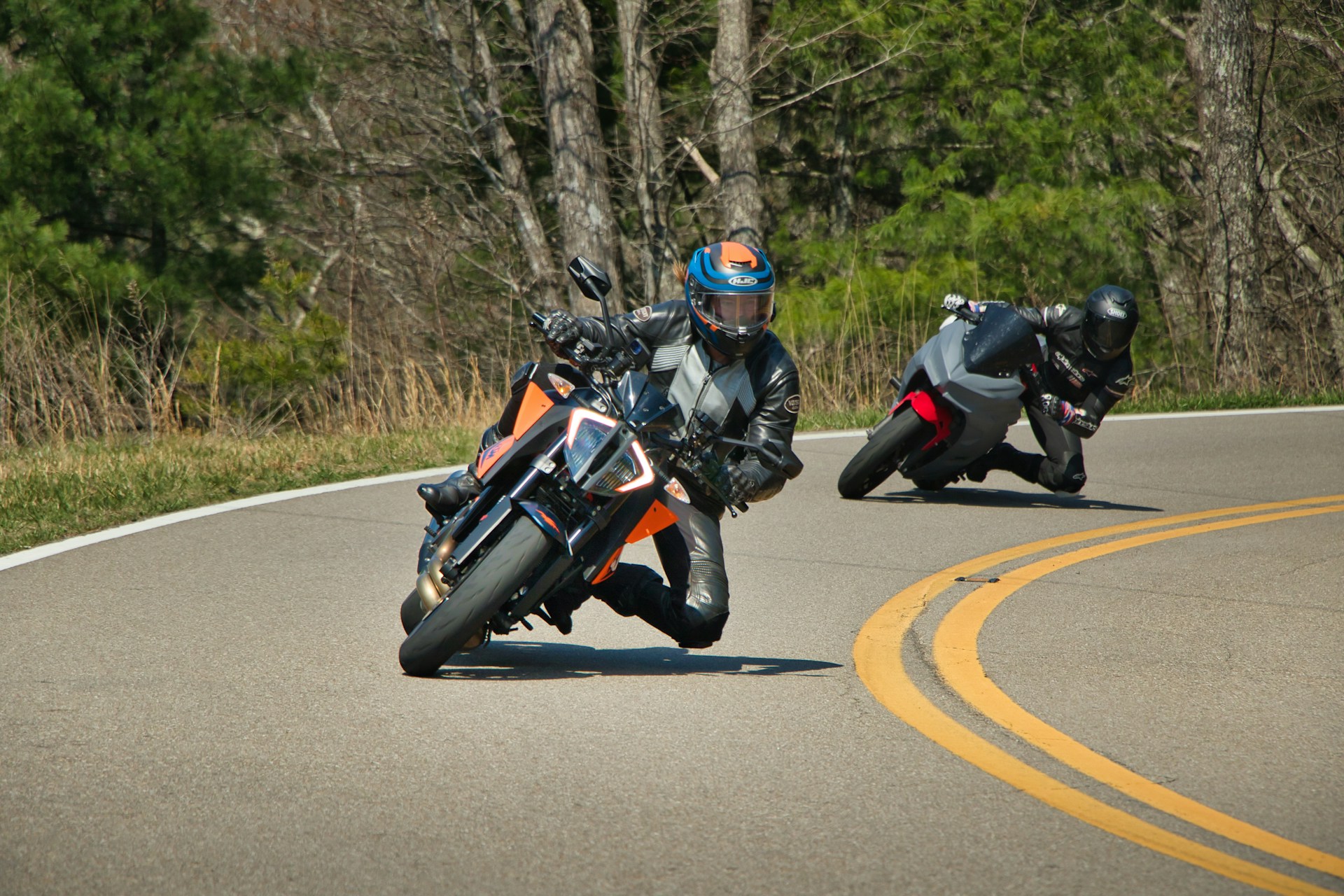
Look where you want to go
Your motorcycle follows your eyes more than your ego wants to admit.
Look at the gravel, and the gravel becomes magnetic. Look at the edge of the road, and suddenly the edge feels closer. Look too near the front wheel, and the bend arrives faster than your mind can organise.
On twisty roads, vision is not passive.
It is steering.
The habit is simple: lift your eyes and look through the bend as far as the road honestly allows. Not beyond what you can see. Not into fantasy. Just toward the next piece of usable road.
The head turns.
The eyes move.
The motorcycle follows.
That is when the ride begins to feel like one clean movement rather than a series of corrections.
Braking: smooth beats sudden
Smooth braking is one of the quiet skills that separates confident riding from survival riding.
Grabbing the brakes mid-corner is a fast way to scare yourself. Sometimes the bike stands up. Sometimes it runs wide. Sometimes the rider panics and makes the second mistake worse than the first.
I once watched a rider in a group grab a handful of front brake in a bend. The bike stood up immediately and carried him wide into the gravel. He wasn’t hurt, but he looked like he had aged five years by the time we stopped.
After that, he practised progressive braking religiously.
The next time we rode together, he looked like a different rider.
That is the lesson: brake early, brake smoothly, and try to finish most of the braking before the motorcycle is leaned over. There are advanced techniques like trail braking, but they require judgement and feel. Used badly, they create more problems than they solve.
For most road riders, the best improvement is not more aggression.
It is more smoothness.
Lean is not the goal
Lean angle gets too much attention.
It looks good in photos. It feels dramatic. It gives riders something to talk about at stops.
But lean angle is not the same as skill.
On public roads, the better question is not “how far can I lean?” It is: how much margin do I still have?
A good rider does not use all the road, all the tyre, and all the available luck just because the bend is beautiful. A good rider leaves something in reserve.
Leaning is not about forcing the bike down. It is about setting the speed, looking where you want to go, making a clean input, and trusting the motorcycle to do what it was built to do.
I still remember the first time I truly trusted the lean — a gentle right-hander near Ponte da Barca. Nothing dramatic happened. That was the point. I stopped fighting the bike and let it fall naturally into the turn.
It felt like unlocking a level I had been trying too hard to reach.

Counter-steering: the strange thing that becomes natural
Push right, go right.
Push left, go left.
Counter-steering sounds wrong until it feels obvious.
At road speed, a motorcycle turns because you briefly push on the handlebar in the direction you want to go. Push the right bar, the bike leans right. Push the left bar, the bike leans left.
It is one of those skills that riders often use before they can explain it.
Once you understand it consciously, twisties begin to feel cleaner. You stop wrestling the motorcycle. You stop leaning your shoulders and hoping the bike follows. You ask with the bars, and the bike answers.
Light input. Clear direction. Smooth follow-through.
That is the whole game.
Smooth is what stays
You can spot tension in another rider from behind.
The shoulders rise.
The elbows lock.
The brake light flickers mid-corner.
The bike enters each bend like it has been interrupted.
Twisties punish that.
A winding road asks for loose arms, quiet hands, and decisions made early enough that nothing needs to be snatched. Brakes are applied progressively. Steering inputs are deliberate but light. Throttle arrives gradually, not like a switch.
One of the most grounding rides I ever had was behind an older rider on a classic bike. He wasn’t fast, but he was beautiful to follow. Every line was predictable. Every movement was calm. Nothing looked forced.
At the next stop, he said, “Speed comes and goes. Smooth stays.”
I’ve carried that with me ever since.
Practise where the stakes are low
A Sunday morning car park does not look like a mountain road.
That is exactly why it helps.
Empty space lets you practise the habits that matter later: progressive braking, slow-speed control, head turns, counter-steering, emergency stops, and body position. No scenery. No traffic. No pressure. Just repetition.
It may not feel glamorous, but it changes the way you ride.
The rider who practises the basics away from traffic usually looks calmer when the road gets interesting. Not because they are braver, but because fewer things feel unfamiliar.
Twisties expose what you brought with you.
Practise gives you better things to bring.
When to back out
There are days when the road is better than you are.
That is not failure. That is judgement.
Back off when the surface changes. Back off when you are tired. Back off when the group is riding faster than your eyes can comfortably read. Back off when the bend is blind and the exit has not introduced itself yet.
Nothing good happens when pride starts choosing corner speed.
If you need to slow down, slow down. If you need to let another rider go, let them go. If you need to stop, drink water, check the tyres, or reset your head, do it.
The road will still be there.

What good riders remember
Before a ride through twisties, give yourself the boring advantages.
Plan the route. Check the weather. Inspect the tyres, brakes, chain, suspension, and lights. Wear proper gear. Know where the road gets narrow, damp, broken, or unfamiliar.
Then, once you are riding, keep the essentials simple:
- Slow before the turn.
- Look through the curve.
- Counter-steer deliberately.
- Lean smoothly.
- Keep the throttle steady.
- Roll on gently at the exit.
- Use Outside–Inside–Outside when visibility allows.
- Stay wider and more patient in blind bends.
- Ride within your limits.
And most of all, remember that you do not have to ride fast to ride well.
Before the Next Bend
Twisties are not just corners.
They are a conversation between speed, sight, surface, and trust — and the best rides happen when you leave enough room to answer properly.
That is why riders keep coming back. Not only for the lean, but for the rare feeling of getting it right.