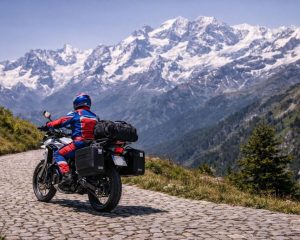
Riding to the Rally: Why the Journey Still Matters
Long before the arrival, before the noise and the gathering, there is a quieter stretch of road where the ride becomes something else—less about where you’re going, and more about what it takes to get there.
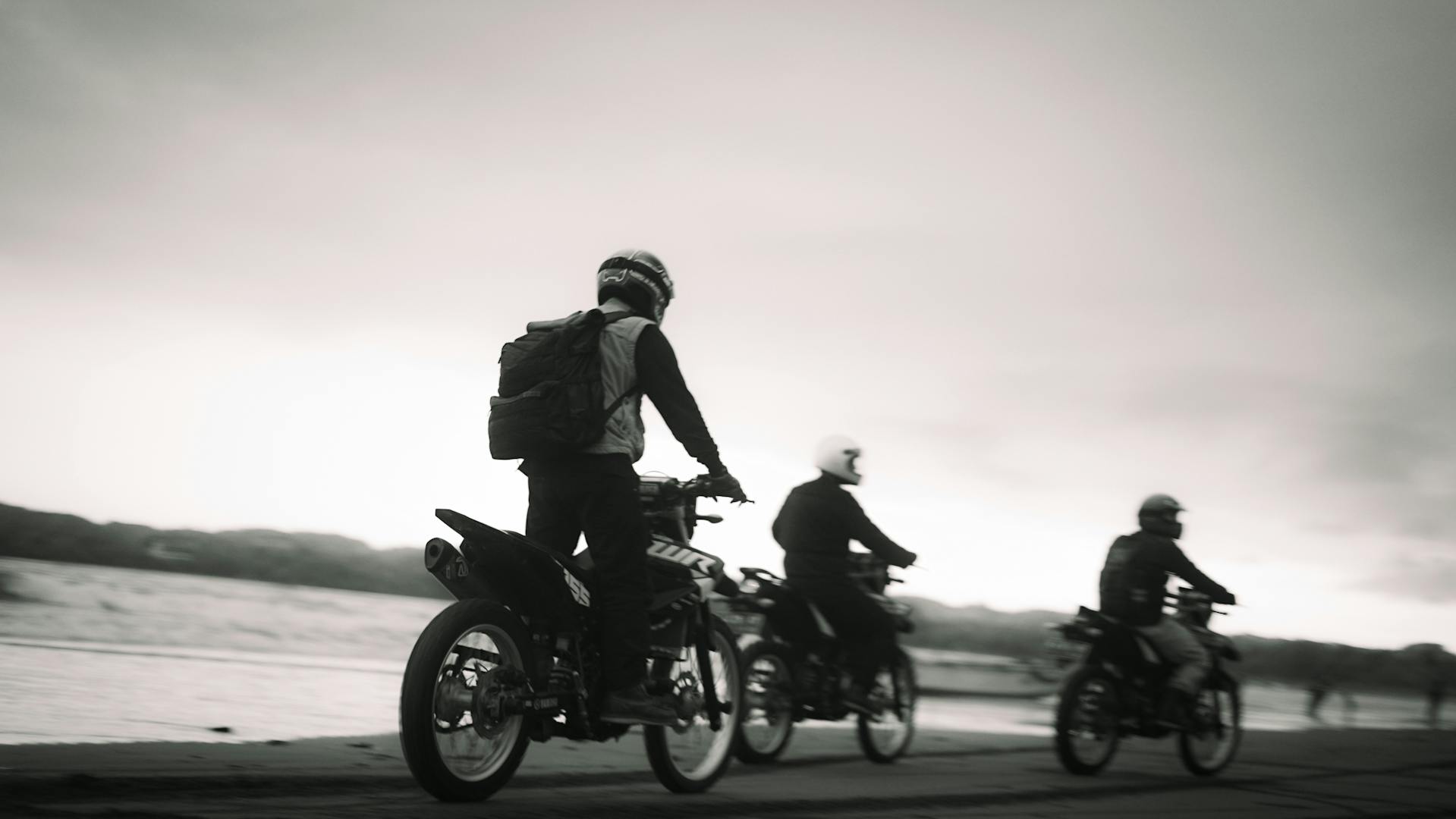
The first part of the ride is rarely memorable.
You leave with intention, but not yet with feeling. The machine settles into its rhythm. The road feels familiar, even if it isn’t. Thoughts drift between distance, fuel, time—small calculations that fade as the ride continues.
It takes time for that to fall away.
As explored in Where the Roads Converge, rallies are less about arrival than the shared movement that leads to it. The road, not the destination, is what gives the gathering its shape.
The Space Between
There is a stretch, somewhere between departure and arrival, where the ride becomes its own experience.
Not the beginning, where everything still feels recent. Not the end, where anticipation starts to take over. But the middle—quiet, extended, often unnoticed.
The road lengthens. Stops become less frequent. You begin to recognize the rhythm of your own movement, not as something controlled, but as something followed.
Time shifts slightly.
Distances feel different when measured by effort instead of urgency.
Riding Alone, Even Among Others
On the way to a rally, you’re rarely the only one heading in that direction.
You notice it slowly. A motorcycle in the distance, holding the same pace. Another at a fuel stop, loaded in a way that suggests distance rather than a short ride. A brief exchange—nothing more than a nod.
There’s no need to confirm anything.
You’re going to the same place.
And yet, the ride remains individual. Each rider moves within their own space, carrying their own version of the journey.
That separation is what gives the gathering its meaning.
What You Carry
Preparation matters, but not in the way it’s often described.
You bring what you think you’ll need. Tools, layers, small adjustments made before leaving. Some of it proves useful. Some of it doesn’t.
What stays with you is something else.
The accumulation of distance. The way the machine begins to feel less like something you operate and more like something you understand. The quiet adjustments—speed, posture, attention—that happen without needing to be considered.
By the time you’re close, you’re carrying more than what you packed.
The Approach
You don’t always recognize when the approach begins.
The road changes first. Then the rhythm. More riders appear, not all at once, but enough to shift your sense of direction. Movement begins to feel shared.
This is the part most people overlook—the stretch before anything has officially begun.
It’s here that the experience starts to take shape, long before arrival. The same idea runs through gatherings explored in The Great Motorcycle Rallies Worth Riding To: the rally isn’t a fixed point, but something formed by the movement toward it.
Arrival, Almost Secondary
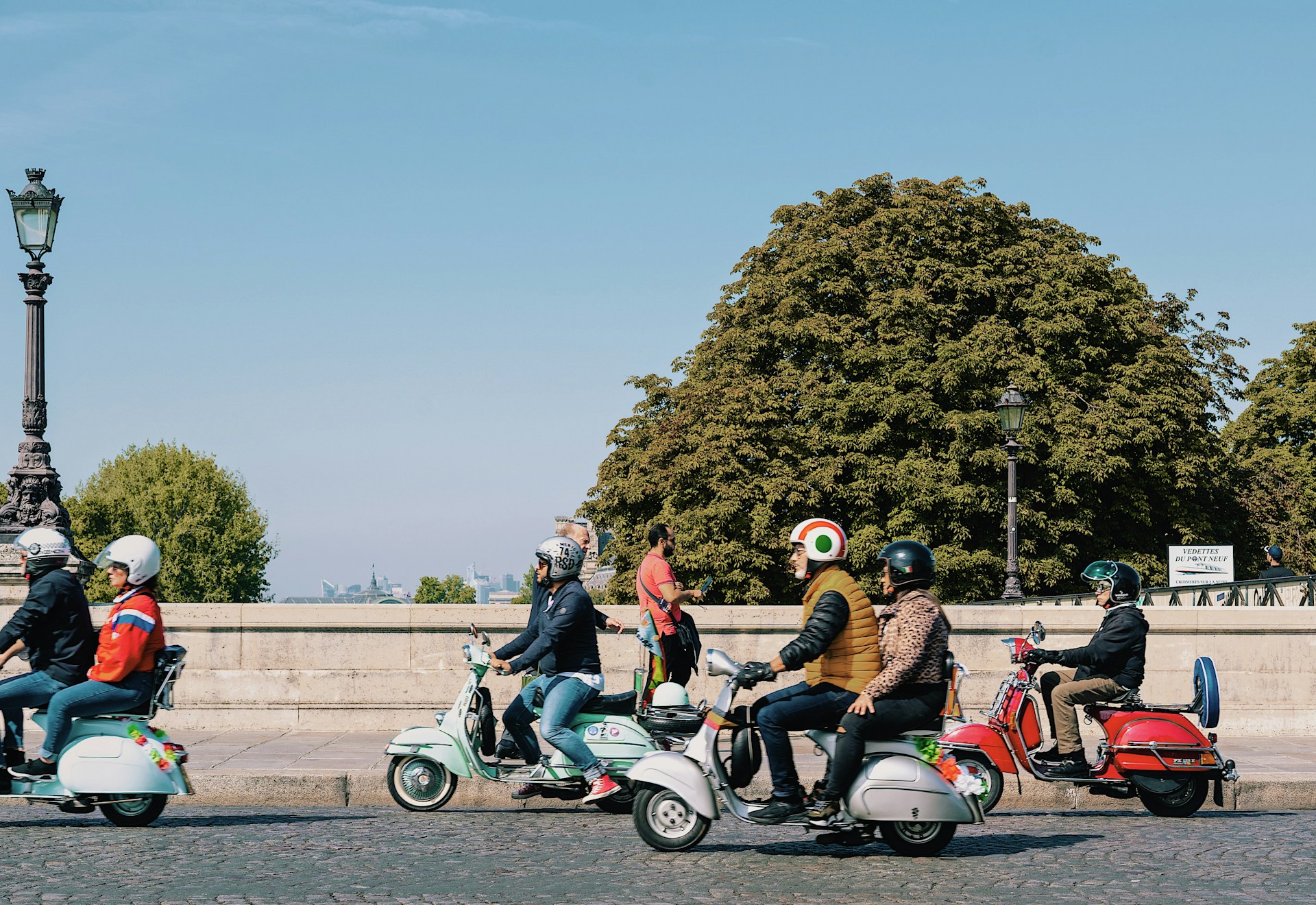
When you finally arrive, the transition is less abrupt than expected.
There is no single moment that defines it.
You slow down. You stop. You remove your helmet. Around you, the rally is already in motion—conversations, engines, movement layered over itself.
And yet, something feels continuous.
The ride doesn’t end. It extends.
Why It Matters
It would be easy to treat the ride as a means to an end.
A necessary distance between two points.
But that misses what makes it meaningful.
The rally exists because people choose to travel toward it. Not just to be there, but to experience the movement required to arrive.
Without the ride, there is no convergence.
Only a place.
The Return
The ride back is different.
The urgency is gone. The anticipation has passed. What remains is quieter, more reflective. The same roads feel altered—not because they’ve changed, but because you have.
You carry the gathering with you now.
You leave.
You ride.
You arrive.
And somewhere in between, without needing to define it, the journey becomes the part that stays.